
Worsley Halls
By Alexandra Fairclough
Worsley was first recorded in 1195 when records state that the land was given to Elias de Workesley on his return from the Crusades for his homage and service. The settlement of Workesley was named after him and the settlement went through around thirty different spellings until the mid-15th century when it became Worsley permanently.
The earliest visitors were the Romans who created a road linking Manchester to Wigan. The area was rural and dominated by agriculture until the 18th Century.
Since Medieval times seven halls have been built in the Worsley area, each one was designed in a completely different style and form.
I am going to mention three of these halls here.
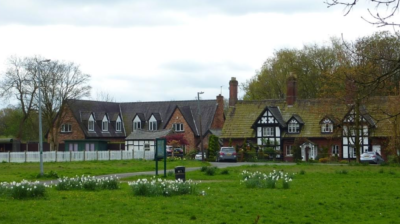
Beesley Hall is a listed building located in Beesley Green to the north of Worsley village and to the west of Roe Green. It is now is divided into three homes and dates to at least the sixteenth century. It was named after the Beesley family who farmed the area.
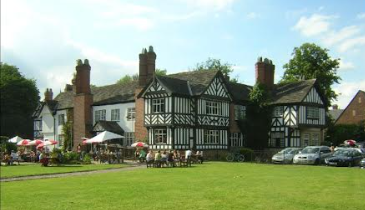
Worsley Old Hall dates to the sixteenth century but has been much altered from the 19th century when it was used as offices for the Bridgewater estates and to its present use as a pub restaurant. Like Beesley Hall, it was originally constructed in timber and brick. It was a country seat of the Egerton family and the heart of the Worsley estate for centuries and is particularly important as it was where Francis Egerton, the 3rd Duke of Bridgewater along with James Brindley and John Gilbert planned the Bridgewater Canal, the canal that kick started the industrial revolution.
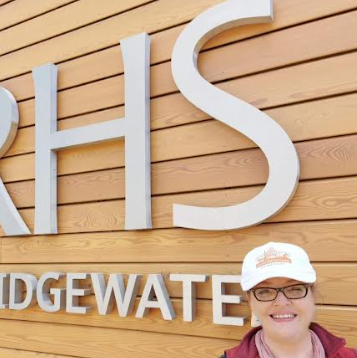
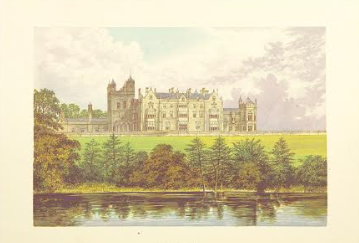
Worsley New Hall does not survive but is an important part of the Duke of Bridgewater’s estates as it is here where the Royal Horticultural Society decided to create its’ garden in the north-west of England, RHS Garden Bridgewater. This former mansion and gardens were located adjacent to a stretch of the Bridgewater Canal between the settlements of Worsley and Boothstown, with views towards Cheshire and North Wales.
This hall was completed for Lord Francis Egerton & his wife Lady Harriet 1846, with a grand design in the Elizabethan Gothic Style. It was designed by Edward Blore – who also designed the frontage at Buckingham Palace – indicating the wealth of the owner of the estate at that time.
This image is an illustration dating from 1868.
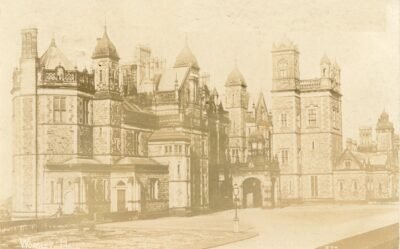
Worsley New Hall was demolished between 1946-1949 and the materials were used to build houses in Yorkshire. The gardens were also grand designs. Designed by W.A. Nestfield, they included terraces, fountains, a croquet lawn and tennis courts as well as a boating lake and large kitchen gardens with ancillary buildings. Elements of these have been refurbished and are seen when visiting the RHS garden Bridgewater along with an award-winning modern building the size of a hall which houses the RHS visitor centre, shop, and café.
The history of these halls, their estate villages, important buildings, and people as well as the communities they created form part of the Worsley guided tours I offer.
Contact Alexa: Alexatours@outlook.com