Search for:

Where Worsley Met the Sea

The Bridgewater canal was a catalyst for the industrial revolution where handloom weavers and agricultural workers moved for better paid employment in Manchester’s new cotton mills.

The Bridgewater canal reached Runcorn in 1776, but did you know that for nearly 200 years, the Bridgewater canal was directly linked to the sea port of Liverpool via Runcorn?

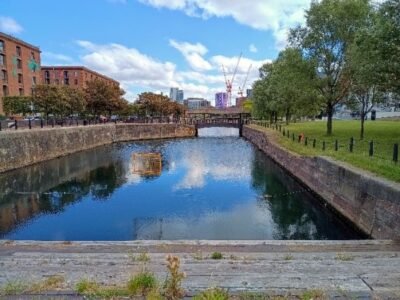
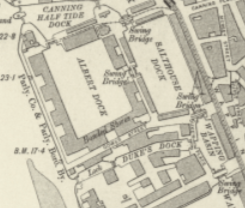
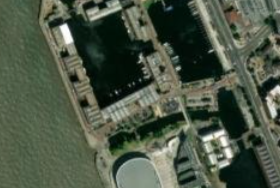
Today in the docks of Liverpool there is a small, landscaped water channel, not much wider than the Bridgewater Canal itself and unidentified except on maps as “Duke’s Dock.”  Few of the 6 million annual visitors to its’ rather famous next-dock-neighbour the Royal Albert Dock will know about or even take notice of this small but powerful reminder of the importance of the Bridgewater canal in the fortunes of Manchester, Salford, Liverpool and points in between.

Liverpool had become a major player in maritime trade because the world’s first commercial enclosed wet dock system was opened there in 1715.  Ships that had previously been moored in the Mersey being loaded and unloaded using smaller boats were also subject to the tide which meant that it would take several days and possibly weeks to be ready for going back to sea (and earning money again.)  The enclosed wet dock protected the ships from the tides and allowed the goods to be unloaded and loaded utilising the side of the dock and in a matter of hours or a few days, maximising the earning potential of the ships and for their owners.

The Bridgewater canal had been extended to Runcorn by 1776 and the Duke had a flight of locks built to take the canal down to the river Mersey and had his dock built at Liverpool, thus enabling the reach of his canal by utilising the existing river and the world’s first enclosed wet dock system that was on its way to making Liverpool the second port of the British Empire.

Despite his status, building of the dock in Liverpool was not as simple and stress free as it sounds – the Duke was already selling his Worsley coal in Liverpool but with the stipulation that the poor people should be first served before the factories and their wealthy owners, so he did not have a good name with the leading citizens because of his popularity with the poor.  Broadside ballads were written praising the Duke and ridiculing the tradesmen.  Liverpool’s involvement in the ‘triangular’ slave trade with Africa and America was already making its leading citizens hypersensitive to criticism, so there was opposition to the Duke expanding his dock at Liverpool but expand it he did.

The Duke’s dock and the connection of the Bridgewater canal to the river Mersey via Runcorn also meant that raw cotton was cheaper and quicker to transport to Manchester by water and the finished cotton cloth would be returned to Liverpool the same way: the carrying of goods was three times more profitable than the coal carrying on the canal.

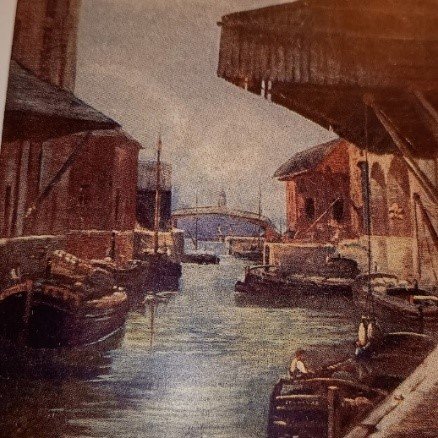
The warehouses on the Duke’s dock (see 1907 picture) was damaged by enemy bombing in the second world war and eventually the dock became disused by the 1960’s and all the buildings were demolished .

Part of the flight of locks linking the now Manchester Ship canal (created in 1894 from the rivers Mersey and Irwell) and the Bridgewater canal at Runcorn were built over starting in the late 1950’s as part of the slip road to the first Runcorn Bridge (also known as the Silver Jubilee bridge) and eventually all the locks were closed and backfilled, severing a link to Liverpool that had lasted for around 200 years.

There is a project to reopen this link between the Bridgewater canal and the Manchester ship canal at Runcorn: a distance of approximately 570 metres, using a combination of traditional locks and modern engineering.  For more information about what I think is a super exciting project, visit their website: https://unlockruncorn.org/

Whenever I am guiding on the Bridgewater canal in Salford, it’s now great to know that I am linked to guiding in Liverpool’s famous dock area and vice versa. 

Part of the study (and work once qualified) as a guide is to join the metaphorical dots between places they visit.  I trust you have enjoyed joining these metaphorical dots between two of the ends of the Bridgewater canal – I know I have.

Elizabeth Charnley is a Bridgewater canal in Salford Green Badge guide and a Blue Badge guide for Liverpool city region.

To book Elizabeth for tours, illustrated talks and heritage/historical research, please call or text 07979232817 or email elizabeth.charnley63@btinternet.com

Worsley Halls

By Alexandra Fairclough

Worsley was first recorded in 1195 when records state that the land was given to Elias de Workesley on his return from the Crusades for his homage and service. The settlement of Workesley was named after him and the settlement went through around thirty different spellings until the mid-15th century when it became Worsley permanently.

The earliest visitors were the Romans who created a road linking Manchester to Wigan. The area was rural and dominated by agriculture until the 18th Century.

Since Medieval times seven halls have been built in the Worsley area, each one was designed in a completely different style and form.  

I am going to mention three of these halls here.

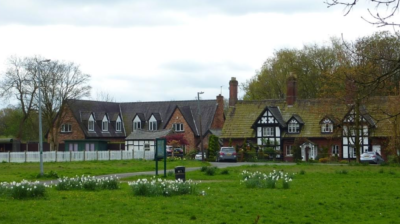
Beesley Hall is a listed building located in Beesley Green to the north of Worsley village and to the west of Roe Green.  It is now is divided into three homes and dates to at least the sixteenth century.    It was named after the Beesley family who farmed the area.

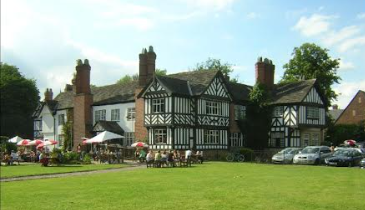
Worsley Old Hall dates to the sixteenth century but has been much altered from the 19th century when it was used as offices for the Bridgewater estates and to its present use as a pub restaurant.  Like Beesley Hall, it was originally constructed in timber and brick.  It was a country seat of the Egerton family and the heart of the Worsley estate for centuries and is particularly important as it was where Francis Egerton, the 3rd Duke of Bridgewater along with James Brindley and John Gilbert planned the Bridgewater Canal, the canal that kick started the industrial revolution.

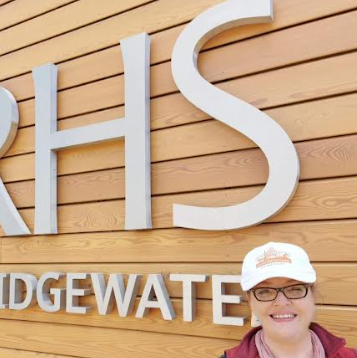
Worsley New Hall does not survive but is an important part of the Duke of Bridgewater’s estates as it is here where the Royal Horticultural Society decided to create its’ garden in the north-west of England, RHS Garden Bridgewater.  This former mansion and gardens were located adjacent to a stretch of the Bridgewater Canal between the settlements of Worsley and Boothstown, with views towards Cheshire and North Wales.

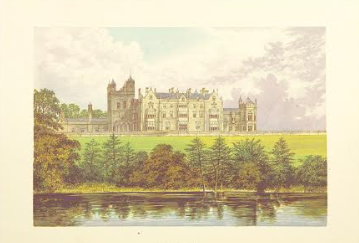
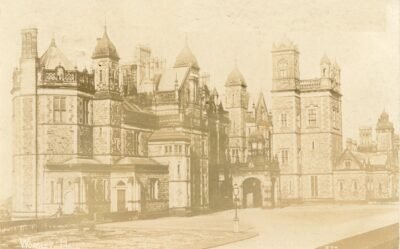
This hall was completed for Lord Francis Egerton & his wife Lady Harriet 1846, with a grand design in the Elizabethan Gothic Style.  It was designed by Edward Blore – who also designed the frontage at Buckingham Palace – indicating the wealth of the owner of the estate at that time.

This image is an illustration dating from 1868.

Worsley New Hall was demolished between 1946-1949 and the materials were used to build houses in Yorkshire. The gardens were also grand designs.   Designed by W.A. Nestfield, they included terraces, fountains, a croquet lawn and tennis courts as well as a boating lake and large kitchen gardens with ancillary buildings.  Elements of these have been refurbished and are seen when visiting the RHS garden Bridgewater along with an award-winning modern building the size of a hall which houses the RHS visitor centre, shop, and café.

The history of these halls, their estate villages, important buildings, and people as well as the communities they created form part of the Worsley guided tours I offer.

Contact Alexa: Alexatours@outlook.com

Echoes of Eccles: A Walk Through Time

This two hour guided walk takes you on a charming journey through the Eccles Town Trail, where blue plaques bring centuries of history to life. From sweet origins and global fame of the Eccles Cake to the remarkable tales behind the town’s most historic buildings, every stop reveals something new.

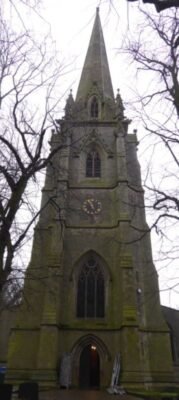
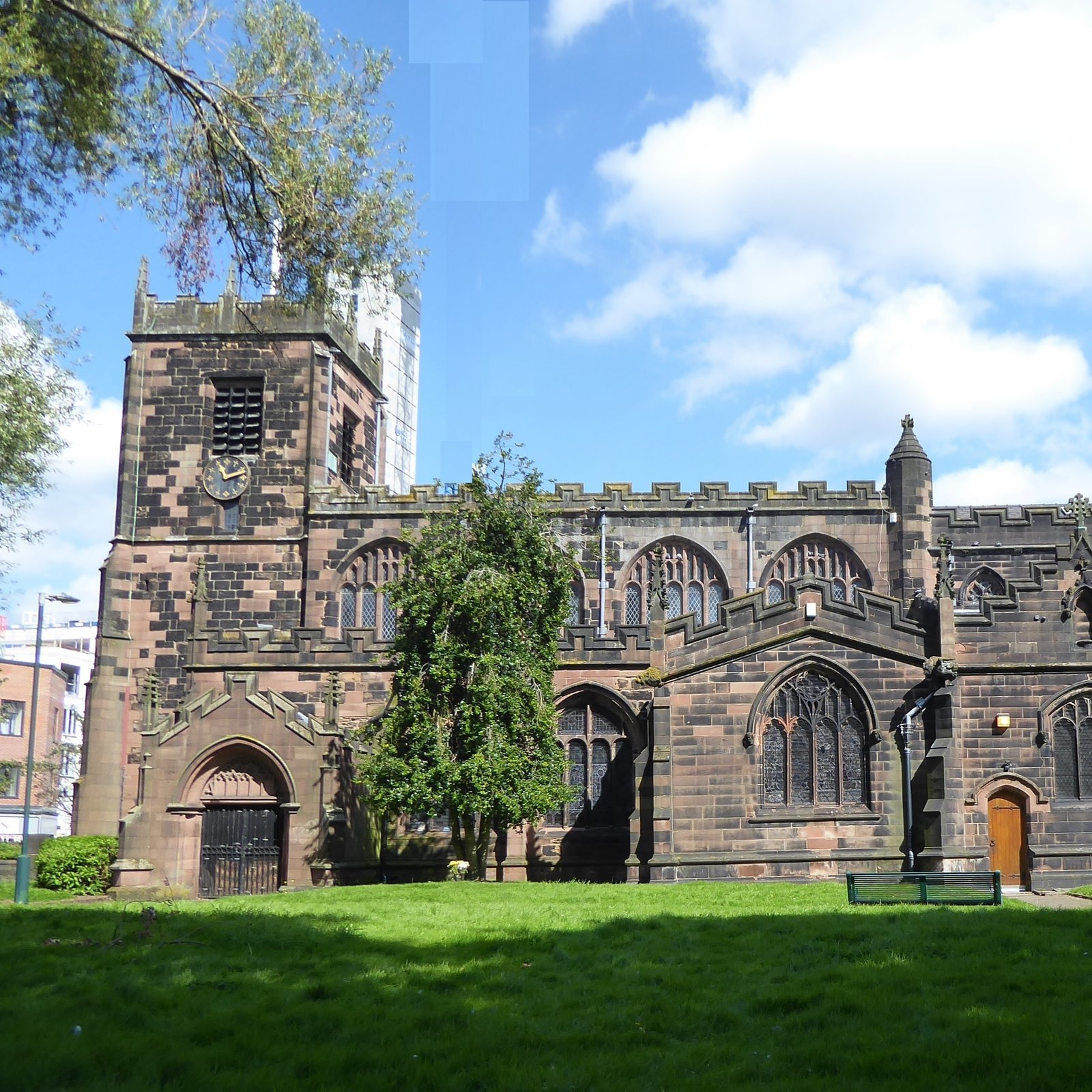
You’ll also enjoy a special visit inside St Mary’s Parish Church, the oldest building in Salford where heritage, architecture and tradition come together in one unforgettable setting.

Whether you’re a local wanting to rediscover your area or a visitor eager to explore, this tour offers a perfect blend of culture, curiosity and hidden gems.

Tour cost £10 including a donation to St Mary’s Parish Church

Start Time: 10:30            

Thursday April 2nd 2026

Thursday July 2nd 2026

Thursday 1st October 2026

Note: Refreshments are not included in the tour price but available in the church at the end for a small donation. 

Book via Eventbrite

https://www.eventbrite.co.uk/e/echoes-of-eccles-a-walk-through-time-tickets-1982677121643?aff=affiliate1

Peel Park

Greengate to Peel Park: Salford Stories Through Time

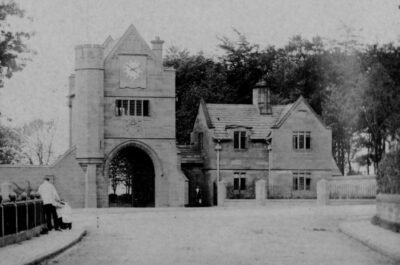
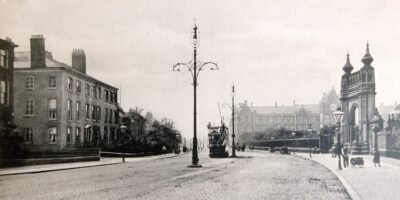
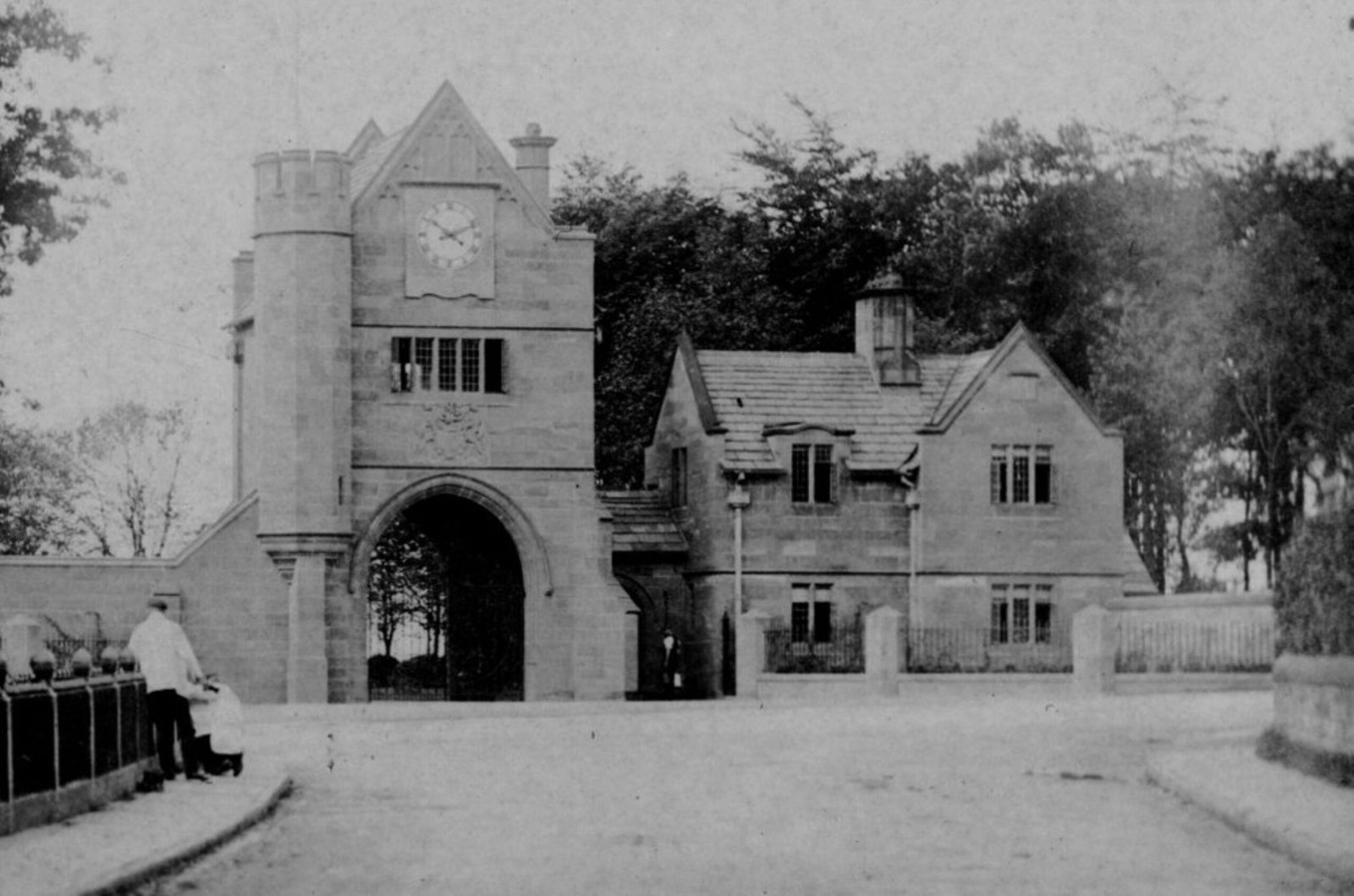
Wrench Postcard Series – Salford Crescent and Peel Park Entrance

Step into Salford’s rich and surprising heritage on this immersive 90 minute guided walk from Greengate— the city’s ancient heart—to the historic green oasis of Peel Park. Along the way, you’ll uncover more than simply buildings and landmarks: you’ll hear the stories, characters, and turning points that shaped Salford into the vibrant place it is today.

Your journey begins in Greengate, where Salford first took root. Among its medieval street patterns and industrial-era architecture, you’ll learn how the area grew from a small settlement on the River Irwell into a powerhouse of creativity, commerce, and change.

From there, we’ll follow a scenic route through the evolving cityscape, tracing the layers of history visible in mills, bridges, civic buildings, and regenerated waterfronts. Each stop reveals a new chapter—tales of invention, resilience, community, and transformation.

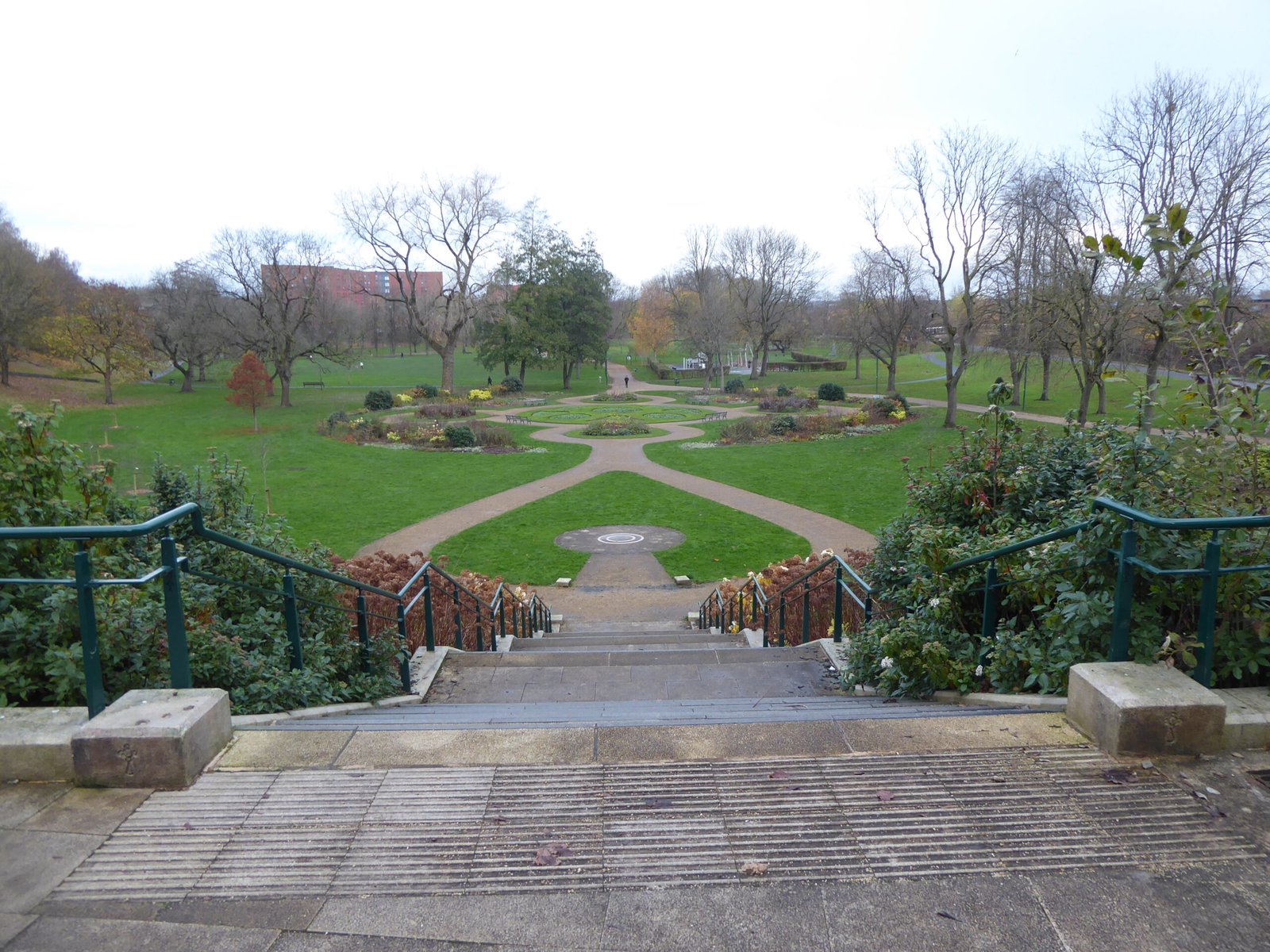
The walk culminates in the beautiful surroundings of Peel Park, one of the country’s earliest public parks and a beloved local landmark. Here, you’ll discover its Victorian origins, its role in Salford’s social history, and how it remains a treasured green space today.

This gentle, accessible walk is perfect for curious locals, history enthusiasts, and visitors alike. With engaging storytelling and plenty of fascinating stops, you’ll experience Salford as a living timeline—full of character, contrasts, and compelling stories waiting to be told.

Join Alexa Fairclough, Green Badge Bridgewater Canal tour guide and see Salford in a whole new light.

Tour Cost: £12

Date: Saturday 28th March 2026

Start Time: 10:30

Available Dates: Saturday 28th March 2026 and Saturday 3rd October 2026

Book via Eventbrite